Table of Contents
The Ultimate Walkthrough of Casual Shoe Styles for Every Lifestyle
Casual shoes have become an essential part of modern wardrobes, blending comfort with style seamlessly. Whether you’re running errands, meeting friends, or simply relaxing at home, there’s a pair that fits your needs perfectly.
This guide explores various types of casual footwear, helping you discover what suits your lifestyle best without sacrificing aesthetics or ease of movement.
Understanding the Versatility of Casual Shoes
Casual shoes are designed to offer flexibility across different settings, from everyday wear to semi-formal occasions. Their adaptability makes them ideal for both indoor and outdoor environments.
The key feature distinguishing casual shoes is their balance between formality and relaxation. They provide enough structure for professional settings while maintaining comfort levels suitable for leisure activities.
Materials used in these shoes often prioritize breathability and durability over traditional formal elements such as leather uppers or polished finishes.
In contrast to dress shoes which require meticulous care, casual shoes are built for practicality, making them perfect for those who value convenience above all else.
Top 6 Essential Types of Casual Footwear
Selecting the right type of casual shoe depends largely on personal preference and intended use. Here we outline six popular styles commonly found among fashion enthusiasts worldwide.
Each category caters to distinct requirements ranging from athletic performance to urban exploration, ensuring there’s something available regardless of individual tastes or lifestyles.
- Sneakers: These versatile shoes combine cushioning technology with stylish designs, offering support during physical activity while remaining fashionable outside gym sessions.
- Dressy Loafers: Featuring slip-on construction and minimal lacing systems, loafers add sophistication without compromising comfort—ideal for office meetings or weekend brunches alike.
- Slip-Ons: Known for easy entry and exit, slip-ons come in numerous variations including moccasin styles that exude elegance even when worn casually around town.
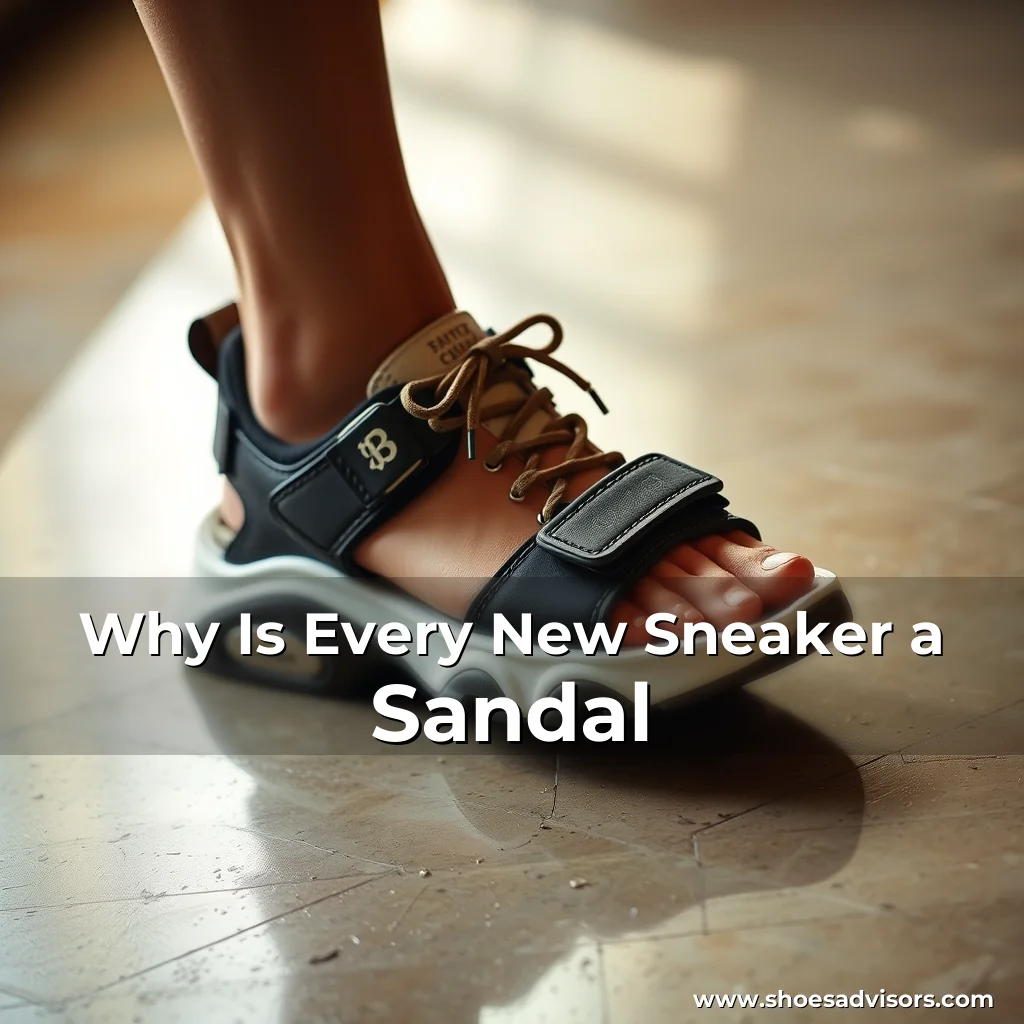
- Barefoot Sandals: Emphasizing natural foot positioning through open-toe structures, sandals promote freedom of movement especially beneficial for hot climates where ventilation matters most.
- Oxfords: While traditionally considered formal attire accessories, modern iterations now incorporate relaxed cuts allowing oxfords versatility beyond conventional expectations.
- Chukkas: Slightly more structured than chukka boots but less rigid than full-blown ankle boots, they serve well as transitional pieces between seasons or events requiring moderate dress codes.
Fabric Choices That Define Comfort Levels
Material selection plays a crucial role determining how comfortable your chosen pair feels under varying conditions. Natural fibers tend to breathe better compared to synthetic alternatives which can trap moisture leading towards discomfort issues later on.
Cotton blends remain popular choices due to their lightweight nature along with softness against skin surfaces—an excellent option particularly suited towards warmer weather months.
Nylon-based fabrics excel at moisture-wicking properties although they may lack some degree of breathability associated with organic materials. This makes them preferable within colder regions experiencing frequent rainfalls throughout year round periods.
Leather options vary significantly depending upon tanning processes applied; vegetable-tanned leathers generally feel cooler whereas chrome-tanned versions might retain heat longer duration times thereby affecting overall user experience negatively unless properly ventilated adequately beforehand.
Seasonal Considerations When Selecting Footwear
Climate changes influence decisions made regarding appropriate clothing selections including footwear choices too. Understanding seasonal nuances helps ensure optimal satisfaction derived from every step taken wearing new additions added recently into collection.
During summer months, breathable mesh panels integrated inside upper constructions prove invaluable against sweat accumulation problems arising frequently amidst prolonged exposure outdoors.
Winter brings heavier downpour situations necessitating waterproof membranes incorporated strategically placed so they don’t compromise aesthetic appeal entirely while still providing protection necessary against harsh elements encountered regularly then.
Springtime transitions create challenges since temperatures fluctuate unpredictably causing confusion about whether current inventory holds adequate coverage required irrespective changing conditions faced daily now becoming commonplace occurrences worth noting closely.
Eco-Friendly Alternatives Gaining Popularity Among Consumers
Awareness surrounding environmental impact has prompted many manufacturers towards producing sustainable products aimed specifically targeting eco-conscious buyers seeking responsible consumption patterns simultaneously enjoying high-quality goods produced ethically.
Biodegradable soles crafted using plant-based compounds represent one innovative solution currently being explored extensively by industry leaders striving toward greener production methodologies benefiting planet Earth substantially whenever implemented effectively together consistently across entire supply chains involved.
Recycled plastic bottles repurposed into fabric components contribute positively reducing landfill waste volumes generated annually globally thereby promoting circular economy principles actively embraced nowadays increasingly amongst younger generations preferring conscious buying habits over mindless purchasing behaviors previously prevalent before recent shifts occurred dramatically altering marketplace dynamics forevermore permanently reshaping future trajectories ahead significantly.
Organic cotton initiatives supporting fair trade practices further enhance product sustainability credentials noticeably elevating brand reputations considerably whenever communicated transparently accurately reflecting true values upheld throughout manufacturing operations conducted diligently responsibly throughout whole process lifecycle management phases involved inevitably resulting increased consumer trust appreciation gained naturally overtime gradually building stronger bonds connecting communities sharing common goals working collaboratively achieving greater collective outcomes beneficial everyone affected ultimately.
How to Style Your Casual Sh�

news is a contributor at ShoesAdvisors.com. We are committed to providing well-researched, accurate, and valuable content to our readers.
You May Also Like



Share This Article
You Might Also Like