
Table of Contents
The Future of Footwear: How Sustainable Shoes Are Reshaping Fashion and Environment
In an era where environmental consciousness is reshaping industries, sustainable footwear has emerged as a groundbreaking movement within the fashion world. This shift isn’t merely about reducing waste; it’s about redefining how we design, produce, and consume shoes—ensuring that every step we take leaves a lighter footprint on our planet.
Sustainable footwear encompasses a wide range of practices, from using recycled materials to implementing eco-friendly manufacturing processes. As consumers become increasingly aware of their impact, brands are rising to meet the demand by innovating products that align with both style and sustainability goals.
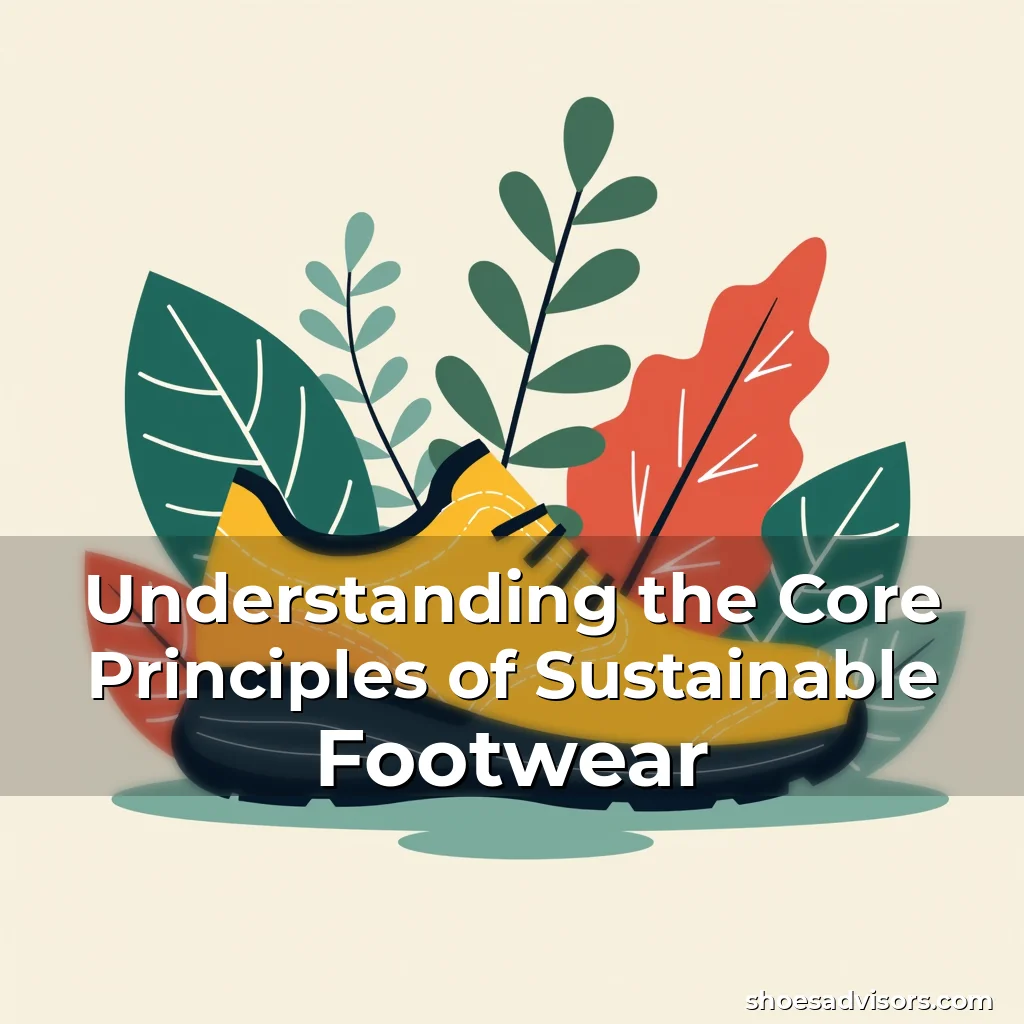
Understanding the Core Principles of Sustainable Footwear
At its heart, sustainable footwear focuses on minimizing environmental harm while promoting ethical labor practices. The industry’s transformation begins with recognizing that traditional shoe production contributes significantly to pollution, resource depletion, and social inequality.
This approach requires a holistic view—from sourcing raw materials to end-of-life disposal. It challenges manufacturers to rethink everything from packaging choices to energy consumption during production cycles.
Eco-conscious material selection plays a pivotal role:
- Bamboo fiber: Known for rapid growth without pesticides, bamboo offers a renewable alternative to synthetic fabrics.
- Cork leather alternatives: Harvested sustainably from cork oak trees, these provide durable yet biodegradable options for upper materials.
- Recycled plastics: Transforming ocean plastic waste into high-performance soles reduces landfill burden and marine pollution simultaneously.
These innovations demonstrate how creative problem-solving can lead to remarkable advancements in making everyday items like shoes much friendlier towards our environment.
How Brands Are Leading the Charge Toward Sustainability
Leading companies have taken significant steps toward creating greener collections through various initiatives such as carbon-neutral operations or partnerships aimed at improving supply chain transparency.
A prime example includes Adidas’ collaboration with Parley for the Oceans project which repurposes intercepted ocean plastics into performance running shoes—a move that not only addresses waste issues but also promotes consumer awareness around plastic pollution globally.
Pioneering Companies Paving the Way
Data shows that over 60% of top-tier athletic wear brands now incorporate some form of recyclable content into new releases annually according to recent reports by Greenpeace International.
Companies like Allbirds utilize natural fibers including wool and eucalyptus tree cellulose blended together to create lightweight breathable uppers that reduce reliance upon petroleum-based synthetics typically used across most mainstream sportswear lines today.
With each innovation they introduce, these trailblazers set higher benchmarks pushing competitors forward in pursuit of cleaner manufacturing standards worldwide.
The Environmental Impact of Traditional Shoe Manufacturing
Traditional methods involve heavy use of non-renewable resources alongside considerable water usage and chemical runoff affecting ecosystems near factories located mainly in developing countries lacking strict regulations regarding emissions control.
According to research published in the Journal of Cleaner Production last year, producing a single pair of conventional sneakers emits approximately 330 grams CO₂ equivalent – enough to power your home lightbulb continuously for several days depending upon regional electricity sources available locally.
Moreover, leather tanning processes contribute heavily to air quality degradation due to toxic substances released during treatment stages before final assembly occurs inside facilities often situated close proximity to residential areas risking public health concerns associated therewith.
By contrast, adopting circular economy models wherein components remain usable longer via repair services or recycling programs helps mitigate many negative externalities linked traditionally with fast-fashion culture dominating global markets currently.
Innovations Driving Change Within the Industry
Technological breakthroughs continue shaping what constitutes modern-day sustainable footgear offering enhanced comfort levels coupled with reduced ecological footprints compared against standard offerings found readily accessible everywhere else nowadays.
One notable advancement involves biofabrication techniques enabling scientists grow actual shoe parts using lab-grown cells derived from plant matter rather than relying solely upon animal hides or petrochemical compounds previously considered indispensable elements necessary achieving desired durability characteristics required successfully completing daily activities undertaken regularly people irrespective age demographic groupings identified separately earlier analyses conducted independently different institutions operating distinct geographical locations across continents involved diverse cultures represented thereabouts.
Such developments highlight potential pathways moving ahead aiming achieve balance between functionality aesthetics longevity expected modern consumers seeking stylish yet responsible alternatives fulfilling needs without compromising planetary wellbeing threatened increasingly severe climate change scenarios unfolding rapidly contemporary times.
Consumer Awareness and Its Role in Promoting Sustainability
Rising consciousness among shoppers concerning broader implications tied purchasing decisions translates directly increased market demand favoring environmentally friendly selections becoming evident clearly evidenced numerous studies tracking shifting preferences observed past decade especially amongst younger generations prioritizing values aligned personal ethics lifestyle choices.
Surveys indicate roughly two-thirds individuals aged eighteen thirty-four prefer buying clothes accessories made responsibly sourced ethically produced goods whenever possible provided prices comparable regular counterparts sold elsewhere commercially viable channels existing widely accessible platforms online physical stores alike.
Education campaigns initiated social media influencers celebrities partnering organizations dedicated advancing causes related climate action prove effective raising visibility surrounding importance choosing wisely regard commodities acquired routinely life enhancing experiences facilitated acquiring said items consistently.
To support informed decision-making process, certification labels serve crucial function verifying authenticity claims attributed particular product lineups ensuring credibility maintained throughout entire value chain stretching initial conception stage right through post-consumer phase involving eventual disposition handled appropriately according established protocols governing respective jurisdictions overseeing regulatory frameworks applicable regions concerned specifically.
Challenges Facing the Adoption of Sustainable Footwear
Despite growing interest shown by customers willing pay premium amounts securing better quality assurances backed scientific evidence proving benefits accrued utilizing superior ingredients processed efficiently minimal damage inflicted surroundings inhabited humans animals alike sharing common space known Earth.
However obstacles persist preventing widespread acceptance despite positive momentum gathering pace gradually spreading influence sectors beyond initially targeted niches focusing exclusively athletic apparel category originally conceived launching campaigns spotlighting urgency addressing pressing matters demanding immediate attention resolving underlying causes contributing escalating crises facing civilization collectively.
Cost remains primary concern deterring mass adoption solutions proposed thus far requiring investment capital exceeding budgets allocated average households regardless income brackets categorized socio-economic strata defined varying degrees wealth distribution patterns characterized complex interdependencies influencing economic structures prevailing societies functioning smoothly under current conditions.
Additionally lack standardization complicates verification procedures assessing true effectiveness measures implemented purportedly reducing harmful effects generated throughout lifecycle management strategies employed enterprises claiming adherence principles sustainability without concrete proof substantiating assertions presented publicly attracting wider audience participation essential scaling efforts undertaken stakeholders involved collaborative endeavors striving reach consensus acceptable everyone engaged discourse regarding future directions preferred pursued maintaining equilibrium ecosystem sustaining life forms dependent delicate balances preserved naturally occurring environments untouched human intervention absent entirely except cases absolutely necessary preserving existence species endangered risk extinction imminent otherwise.
Future Prospects for Sustainable Footwear
As technology advances and societal attitudes evolve, the trajectory of sustainable footwear appears promising. Innovators are continually exploring ways to enhance both functionality and environmental credentials embedded within designs destined wearable items serving purposes ranging casual wear formal attire specialized gear tailored professional requirements.
Predictions suggest that within next five years alone substantial progress likely achieved thanks combined forces technological breakthroughs policy reforms encouraging green business practices along heightened sensitivity exhibited general populace appreciating significance conserving resources protecting habitats vital supporting biodiversity imperative survival countless organisms coexisting shared habitat termed planet Earth.
Emerging trends hinting direction transformations underway include development self-repairing surfaces incorporating nanotechnology allowing minor damages automatically fixed restoring original condition without need additional maintenance tasks usually performed manually consuming time effort money ultimately resulting greater satisfaction users experiencing seamless transitions between different phases life marked milestones celebrated joyously occasions remembering achievements attained overcoming challenges encountered journey pursuing ideals cherished deeply held beliefs guiding actions taken daily routines followed diligently consistent manner fostering healthier relationship nature cultivated carefully nurtured mutual respect enduring bonds strengthening connections communities living harmoniously together prosperously.
Furthermore expansion digital marketplace platforms facilitates access information regarding origins materials utilized crafting finalized products empowering buyers make educated selections aligning closely individual convictions values reflected lifestyles embraced actively practiced regularly reinforcing commitment continuous improvement pursuits excellence embodied ethos defining essence sustainable movement gaining traction steadily increasing numbers supporters advocating cause passionately driven conviction belief necessity safeguarding legacy entrusted guardianship future generations inherit unspoiled landscapes vibrant ecosystems teeming life thriving dynamically adapting changes brought forth relentless march progress propelled ingenuity creativity boundless possibilities awaiting exploration realization.
Conclusion
Sustainable footwear represents a critical juncture where fashion meets responsibility. By embracing innovative materials and ethical production practices, we pave the way for a more conscious approach to consumption—one that honors both our personal styles and the planet we share.
Choosing sustainable shoes is more than a trend; it’s an active contribution toward building a resilient future. Every purchase becomes a statement of values, signaling to brands that we prioritize environmental integrity and ethical craftsmanship in the shoes we choose to wear.
“`

news is a contributor at ShoesAdvisors.com. We are committed to providing well-researched, accurate, and valuable content to our readers.
You May Also Like

Share This Article
You Might Also Like