
Table of Contents
Waterproofing: The Key to Comfortable Hiking
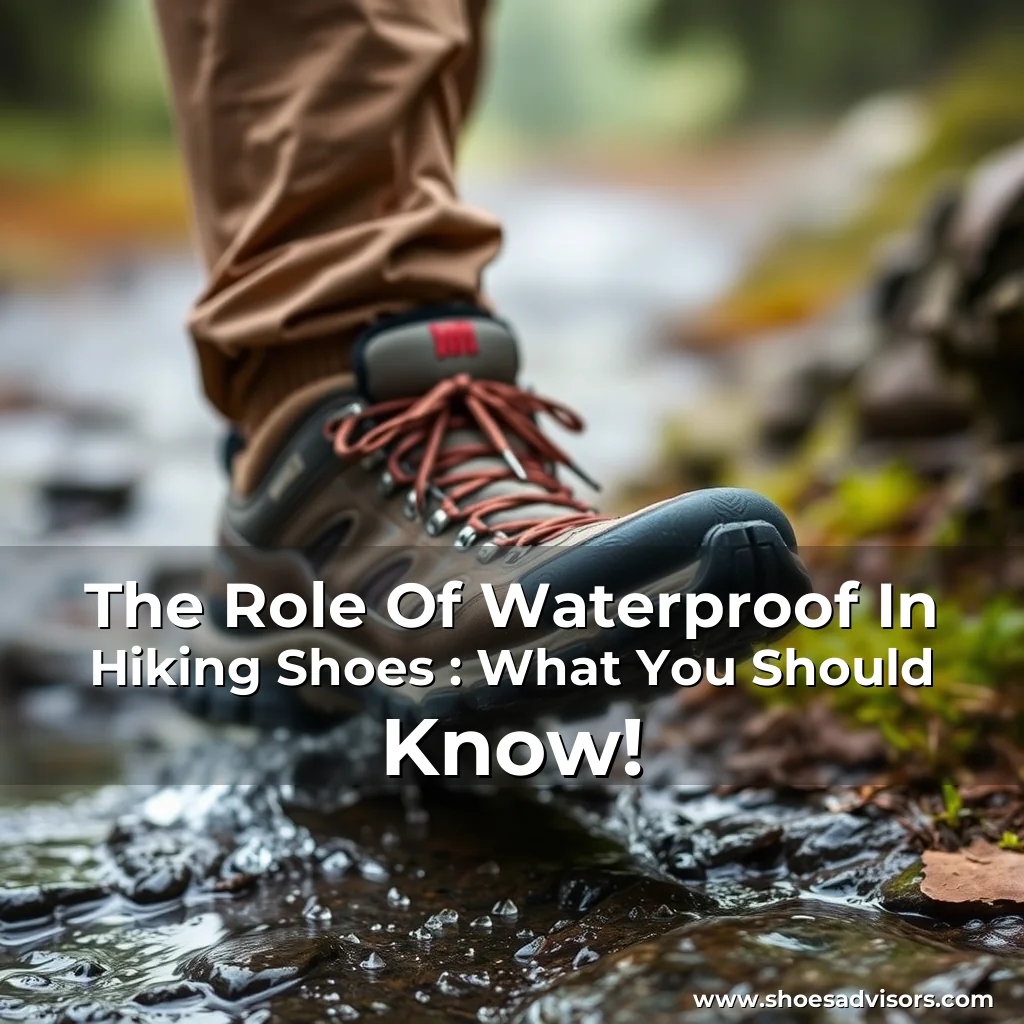
Waterproofing is a crucial aspect of hiking footwear, particularly in wet conditions. It prevents water from entering the shoe, thereby reducing the risk of blisters, cold-related problems, and discomfort. However, it’s essential to note that not all waterproof shoes are created equal.
Cold feet can also lead to poor circulation, which may cause numbness, tingling, and pain in the feet and legs.
Understanding the Risks
Cold temperatures can have a significant impact on foot health, particularly in individuals who spend extended periods outdoors in cold weather. The primary concern is the risk of hypothermia, which can be life-threatening if left untreated.
These materials are designed to prevent water from penetrating the shoe’s exterior.
Key Features to Consider
When shopping for waterproof hiking shoes, several key features should be considered. These include:
Waterproof shoes work by creating a barrier between the interior and exterior of the shoe. This barrier prevents water from entering the shoe while allowing moisture to escape. The membrane used in waterproof shoes is typically made of a thin, porous material that allows water vapor to pass through while keeping liquid water out.
Breathability is a crucial feature in waterproof hiking shoes. A breathable membrane allows sweat to escape, preventing the buildup of moisture inside the shoe.
Waterproofing Techniques
Waterproof hiking shoes are designed to withstand the elements, and their waterproofing techniques are crucial to their performance. There are several methods used to keep water out of these shoes. • Sealing seams: This involves applying a waterproofing agent to the stitched areas of the shoe to prevent water from seeping in.
Understanding the Terrain
When venturing into the wilderness, it’s essential to consider the terrain you’ll be traversing. Different types of terrain require different levels of protection and support.
In these conditions, breathability is more important than waterproofing. In hot and dry climates, the primary concern is not to get wet, but to stay cool and dry. In such conditions, waterproof shoes can actually hinder the performance of the hiker.
The Importance of Breathability in Hiking
Breathability is essential for hikers, especially in hot and dry climates. When shoes are breathable, they allow moisture to escape, preventing the buildup of sweat and heat.
Waterproofing for Hiking Boots
When venturing into the wilderness, hikers often prioritize waterproofing their gear to ensure they stay dry and comfortable. However, the importance of waterproofing can vary depending on the terrain and conditions of the hike.
When selecting a waterproofing treatment, hikers should consider the following factors:
Hikers should apply waterproofing treatments according to the manufacturer’s instructions to ensure optimal performance.
Breathable mesh panels for ventilation and moisture management.
Key Characteristics of a Good Waterproof Hiking Shoe
A good waterproof hiking shoe is a crucial investment for any hiker, providing the necessary protection and support to ensure a safe and enjoyable hike. When selecting a waterproof hiking shoe, there are several key characteristics to look for. • Aggressive lugs for grip on slippery terrain*
The Importance of Waterproofing
Waterproofing is a critical feature of a good hiking shoe. It prevents water from entering the shoe, keeping your feet dry and comfortable.
They are designed to provide comfort and support for long hikes and outdoor activities.
Benefits of FitVille Shoes
FitVille shoes offer several benefits for hikers and outdoor enthusiasts.

news is a contributor at ShoesAdvisors.com. We are committed to providing well-researched, accurate, and valuable content to our readers.
You May Also Like

Share This Article
You Might Also Like