
Table of Contents
The Evolution and Elegance of Formal Footwear Through Time
In an era where fashion often prioritizes comfort over tradition, formal footwear remains a cornerstone of sophistication and professionalism. From centuries-old designs rooted in European aristocracy to modern adaptations that blend heritage with contemporary style, formal shoes have evolved while maintaining their symbolic significance.
This guide delves into the intricate world of formal footwear, exploring its historical origins, key types, styling tips, maintenance techniques, cultural nuances, and how to select the perfect pair for various occasions. Whether you’re preparing for a black-tie event or a business meeting, understanding your options can elevate your overall appearance dramatically.
The Historical Roots of Formal Footwear
The concept of formal footwear dates back thousands of years, with archaeological evidence suggesting early forms were crafted from materials as diverse as animal hides and plant fibers. Ancient civilizations such as Egypt and Rome used foot coverings primarily for protection against harsh terrain rather than social status.
During the Middle Ages, shoemaking became a specialized trade in Europe. Blacksmiths and cobblers began crafting boots and shoes using leather tanned with natural substances like oak bark. These garments not only provided practicality but also served as symbols of class distinction through elaborate embellishments.
- Medieval Period: Leather was commonly dyed dark brown or black, giving rise to what we now associate with traditional formal shoe colors.
- Renaissance Influence: The introduction of heel height as a marker of nobility transformed footwear design, with higher heels reserved exclusively for royalty and upper classes.
The Industrial Revolution marked a turning point by making high-quality shoes more accessible to broader segments of society. Mechanized production allowed for standardized sizing and greater affordability without sacrificing craftsmanship standards established during earlier periods.
By the late 19th century, formal footwear had become synonymous with professional attire across many cultures worldwide. This period saw the emergence of distinct styles tailored specifically for different professions ranging from banking to military service.
Distinguishing Characteristics of Formal Footwear
Formal footwear is defined by several essential characteristics that set it apart from casual alternatives. Chief among these are the construction methods employed, which typically involve hand-stitched seams and premium-grade leathers known for durability and elegance.
A defining feature is the absence of visible stitching along the vamp area – instead, toe caps are sewn separately before being attached to the upper portion of the shoe. This technique enhances both aesthetics and structural integrity simultaneously.
Metal components play another crucial role; they include eyelets for lacing, toe boxes for reinforcement, and decorative elements like buckles or toe caps made from polished brass or silver alloys.
When considering color choices, classic shades remain most appropriate for formal contexts. Dark browns, blacks, and deep navy blues are universally accepted as suitable options regardless of geographic location or cultural background.
Common Types of Formal Footwear Across Cultures
Cultural diversity has given birth to numerous variations within the realm of formal footwear. While Western traditions emphasize closed-toe designs featuring laces or straps, other regions incorporate unique elements shaped by local customs and climate conditions.
Oxfords represent perhaps the quintessential example of Western formal shoes. Their distinguishing trait lies in the closed-lace construction where the tongue is enclosed within the vamp itself. This design offers enhanced support and a refined silhouette ideal for office environments.
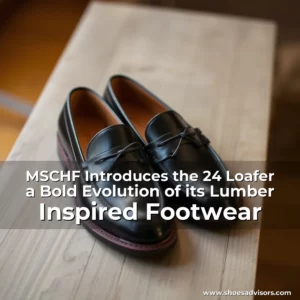
Dress loafers provide an alternative option for those seeking slightly less rigid structures yet still desiring formality. They usually lack tongues entirely and rely solely on slip-on mechanisms combined with minimal detailing for visual appeal.
In Asian countries such as Japan and Korea, geta and geta-like constructions continue to serve ceremonial purposes even today. Though traditionally associated with rural settings due to their elevated platform bases designed to keep feet dry in muddy conditions, newer interpretations integrate them into modern wardrobes seamlessly.
Indian culture boasts richly embroidered chappals worn at religious ceremonies or weddings alongside traditional outfits like saris and sherwanis. Despite their ornate appearances, these sandals maintain strict adherence to modesty principles central to Hindu beliefs regarding personal adornment.
Selecting Appropriate Formal Footwear Based on Occasion
Choosing the right type of formal footwear depends heavily upon the nature of the occasion. Business meetings demand understated sophistication achieved through well-polished Oxfords or derbies devoid of excessive ornamentation.
For evening events requiring tuxedo wear, patent leather shoes featuring subtle patterns offer superior shine levels compared to matte finishes found elsewhere. Ensure that any metallic accents match precisely with belt hardware when pairing with formal attire.
Weddings present special considerations depending on whether guests are expected to attend in full regalia versus semi-formal dress codes. In cases involving white tie protocol, black satin pumps paired with matching gloves constitute an elegant ensemble choice available predominantly for women.
Academic institutions sometimes mandate specific regulations concerning acceptable footwear during examinations or official functions. Always verify institutional guidelines prior to selecting appropriate attire items including shoes.
Evaluating Quality When Purchasing Formal Shoes
Purchase decisions should prioritize quality above quantity whenever acquiring new formal footwear pieces. Reputable brands consistently demonstrate commitment towards sustainable practices alongside ethical labor policies reflected in final products delivered globally.
To identify genuine craftsmanship, examine close-ups revealing fine stitching lines evenly spaced around each stitch hole located near toe box areas. Inferior imitations may display uneven spacing indicating rushed assembly processes unlikely to produce long-lasting results.
Genuine leather uppers possess distinctive grain textures identifiable under direct lighting sources unlike synthetic substitutes lacking depth perception capabilities necessary for authentic luxury experiences.
Consider weight distribution characteristics exhibited by properly balanced sole units capable of distributing pressure points efficiently thereby reducing fatigue symptoms experienced after prolonged standing durations typical amongst professionals working in retail sectors.
Proper Care Techniques for Maintaining Formal Footwear Longevity
Regular cleaning routines significantly extend lifespan expectancy associated with investment-grade formal shoes. Begin by removing surface dirt manually utilizing soft cloths dampened slightly before proceeding further down the care pathway outlined below.
Conditioning treatments help replenish moisture lost naturally over time especially noticeable during winter months characterized by low humidity readings affecting leather suppleness negatively unless counteracted effectively via periodic application sessions scheduled every few weeks.
Polishes come in two primary formulations catering toward either matte or glossy finish preferences based purely on individual taste inclinations rather than functional requirements since neither variant provides inherent advantages beyond aesthetic enhancements alone.
Protective sprays function similarly to waterproof coatings applied onto fabric surfaces preventing liquid penetration risks particularly useful outdoors amidst unpredictable weather fluctuations impacting travel schedules unexpectedly.
Fashion Trends Influencing Modern Interpretations Of Formal Footwear
Contemporary designers frequently reinterpret classical silhouettes incorporating avant-garde elements redefining conventional expectations surrounding formal attire accessories including shoes themselves.
Minimalist approaches gaining traction recently favor clean lines emphasizing simplicity through strategic use of negative space rather than overwhelming viewership with excessive detailing potentially distracting attention away from core functionalities offered by foundational garments.
Sustainable sourcing initiatives drive innovation efforts focused on developing biodegradable materials compatible with existing manufacturing protocols ensuring continued viability moving forward sustainably despite increased consumer awareness demanding environmentally responsible choices consistently.
Cross-cultural collaborations foster creative exchanges enabling mutual appreciation while promoting inclusivity values aligning closely with global citizenship ideals celebrated increasingly nowadays across international platforms celebrating multiculturalism openly.
How To Style Formal Footwear With Various Outfits Effectively
Styling formal footwear requires careful consideration aligned with outfit composition aiming ultimately toward achieving harmonious balance visually speaking irrespective of gender identity expressed through clothing selections made independently.
Begin with basics establishing foundation upon which additional layers build progressively upwards creating cohesive narratives resonating emotionally connecting individuals physically present wearing said ensembles outwardly expressing inner identities accurately.
Color coordination proves vital aspect influencing perceptions formed instantly upon first glance impressions generated consciously or subconsciously depending largely upon contextual cues perceived automatically without conscious effort required.
Patterns introduce dynamic energy breaking monotony otherwise prevalent within strictly monochromatic schemes limited merely to solid hues incapable evoking strong emotional responses absent supplementary stimuli activating senses engaged actively rather passively.
Addressing Common Myths Surrounding Formal Footwear Selection And Usage
Several misconceptions persist regarding optimal selection criteria governing decision-making related to acquiring suitable pairs fulfilling particular needs arising from varying circumstances encountered daily life situations faced regularly.
One widespread belief claims taller individuals require larger sizes contradicting empirical data showing size determination correlates strongly with foot volume measurements rather than height alone determining appropriateness level assessed objectively through precise gauging instruments calibrated professionally beforehand.
Contrary to popular opinion, tight-fitting shoes do not necessarily equate improved performance outcomes contrary assertions originating possibly from misunderstandings conflating snugness sensations erroneously interpreted as positive indicators implying better fit quality inherently.
While some advocate wearing socks beneath open-toe styles asserting health benefits derived therefrom others caution against potential discomfort caused by friction between exposed skin surfaces contacting external objects repeatedly throughout extended usage periods exceeding recommended limits advised generally.
Understanding Cultural Differences In Formal Footwear Etiquette
Variations exist globally concerning etiquette rules dictating acceptable behaviors revolving around formal footwear adoption depending greatly upon regional norms prevailing locally influenced historically by indigenous traditions passed down generations enduringly preserved faithfully until recent times experiencing gradual transformations gradually integrating modern influences subtly altering original frameworks incrementally over time.
In certain Muslim-majority nations covering vast geographical expanses stretching continents wide, modesty dictates prohibit exposing toes publicly regardless situation necessitating compliance rigorously enforced strictly adhered absolutely without exception whatsoever observed uniformly across entire populations residing therein.
Conversely, Scandinavian countries exhibit relaxed attitudes permitting barefoot tendencies indoors deemed socially acceptable contrasting sharply with stricter counterparts elsewhere enforcing mandatory coverage mandates non-negotiable requirements violating could result penalties imposed administratively determined according to legal statutes enacted officially sanctioned authorities having jurisdiction overseeing relevant matters concerned.
Asian societies occasionally observe hierarchical distinctions reflected explicitly through footwear choices signifying respect owed superiors demonstrated visibly via appropriate selections carefully chosen reflecting deference appropriately maintained throughout interactions occurring routinely within structured environments governed clearly delineated roles assigned accordingly.
Conclusion
From ancient roots to modern innovations, formal footwear continues to evolve while preserving its essence as a symbol of refinement and professionalism. Understanding its history, characteristics, and cultural significance allows individuals to make informed choices that enhance their personal style and confidence.
Whether attending a corporate gala or a wedding ceremony, choosing the right formal footwear involves thoughtful consideration of occasion, quality, and personal preference. By embracing the timeless allure of well-crafted shoes, you ensure that your presence leaves a lasting impression grounded in elegance and poise.

news is a contributor at ShoesAdvisors.com. We are committed to providing well-researched, accurate, and valuable content to our readers.
You May Also Like


Share This Article
You Might Also Like