Table of Contents
The Ultimate Shoe Care Mastery: Essential Tips from Industry Experts
In an era where fashion meets function, maintaining your footwear isn’t merely about aesthetics—it’s about preserving value, comfort, and durability. Whether you’re a sneakerhead with thousands of pairs or someone who relies on work boots daily, understanding the nuances of shoe care can transform how long your favorites last.
This guide delves beyond basic cleaning routines to uncover lesser-known techniques used by professional cobbler shops across Europe and North America. From leather conditioning secrets passed down through generations to advanced polymer-based protection methods employed by luxury brands, we’ll explore everything that keeps shoes looking brand new season after season.
The Science Behind Shoe Degradation
Understanding why shoes deteriorate is crucial before learning how to maintain them. Leather, the most common material in premium footwear, naturally absorbs moisture and oils which cause fibers to weaken over time. This process accelerates when exposed to extreme temperatures or harsh chemicals found in many commercial cleaners.
Synthetic materials present their own challenges. While they resist water better than natural leathers, prolonged exposure to sunlight causes UV degradation that yellows soles and weakens adhesives. Even seemingly indestructible rubber outsoles experience micro-cracking when repeatedly subjected to temperature fluctuations.
Different construction types also affect longevity. Hand-stitched uppers typically last longer than glued seams, but require careful maintenance around stitching points. Goodyear-welted shoes offer superior water resistance but demand special attention during cleaning sessions.
- Leather oxidation: Exposure to air causes color fading and stiffness unless properly conditioned with tannins and oils
- Polyurethane breakdown: Commonly used in modern sneakers, this material softens permanently at high temperatures above 86°F (30°C)
- Mold growth: Humid environments create ideal conditions for mold spores to thrive within fabric linings and gaskets
Preventive Maintenance Techniques
A proactive approach prevents minor issues from becoming costly repairs. Begin each day by removing debris using a dry brush specifically designed for footwear. These brushes feature angled bristles that dislodge dirt without damaging delicate finishes or embroidery.
For leather goods, use a suede eraser gently along creases and seams to remove surface grime. Avoid rubbing too hard as this might abrade the nap of suede surfaces. Apply a light dusting of cornstarch inside the shoes overnight to absorb excess moisture before wearing them next morning.
Cleaning frequency depends heavily on usage patterns. Office workers in climate-controlled buildings may only need weekly cleanings while outdoor enthusiasts often require daily wipe-downs after hiking trails or running errands in city streets.
Special Considerations for Different Materials
Each material type requires distinct treatment protocols. For example, genuine leather needs periodic conditioning with products containing lanolin or beeswax to replenish lost oils. Suede demands specialized treatments with silicone-based protectants rather than traditional waxes that leave visible residue.
Fabric athletic shoes benefit from enzyme-based detergents that break down sweat proteins without leaving chemical residues. Canvas shoes should never be submerged in water; instead, spot-clean with mild soap diluted in lukewarm water and allow complete drying away from direct heat sources.
Rubber components respond well to baking soda solutions—mix half a cup of baking soda with two cups of warm water, dip a cloth into the mixture, and gently scrub soles until stains disappear. Always test any cleaner on inconspicuous areas first to ensure compatibility with specific compounds used in manufacturing processes.
Protective coatings play different roles based on application method. Spray-on sealers provide quick coverage but wear off faster compared to impregnating agents that penetrate deeper into textile fibers. Choose breathable formulas for casual shoes since non-breathable barriers increase risk of odor development inside enclosed spaces.
Deep Cleaning Procedures for Various Footwear Types
Regular maintenance becomes insufficient when confronted with stubborn stains or built-up grime. A thorough deep cleaning session every three months helps restore appearance and functionality across different shoe categories.
For leather dress shoes, start by wiping with a damp microfiber cloth to loosen soil particles. Use a pH-balanced cleaner formulated explicitly for leather surfaces—never use household ammonia or bleach which strip protective finishes prematurely. Work in circular motions focusing on toe boxes and vamp areas where scuff marks accumulate frequently.
Sneakers require gentler handling due to sensitive synthetic materials. Mix equal parts white vinegar and water in a spray bottle, mist lightly onto stained areas then blot with paper towels rather than rubbing forcefully. Allow shoes to air-dry completely before applying any polishing products meant for athletic wear.
Boots necessitate extra attention given their complex structures. Remove laces and insoles separately for individual cleaning. Scrub sole units with stiff-bristled brushes dipped in soapy water solution. Pay particular heed to welt seams where moisture tends to collect underneath upper panels causing long-term damage if left untreated.
- Tanning salt: Sprinkle this mineral-rich compound inside boots after cleaning to draw out residual moisture and neutralize odors
- Baking soda paste: Combine powder with enough water to form thick consistency, apply generously inside shoes then let sit overnight before vacuuming out
- Eucalyptus oil: Add a few drops to cotton balls placed inside storage containers to naturally repel insects and inhibit bacterial growth
Nutrient Replenishment Through Conditioning
Maintaining optimal suppleness in leather involves regular nutrient infusion. High-quality conditioners contain emollients that mimic natural sebum produced by human skin. These substances penetrate microscopic pores within leather grain to hydrate internal layers rather than just forming superficial films.
Select products rich in natural ingredients like mink oil, neatsfoot oil, or jojoba oil which closely match biological composition of animal hides. Synthetic alternatives sometimes include silicones that coat rather than nourish, leading to eventual brittleness despite initial shine improvement.
Application technique matters greatly. Warm conditioner slightly in hands before spreading evenly across entire exterior surface. Let product dwell for recommended duration specified on packaging instructions before buffing with horsehair brushes to achieve desired sheen level.
Frequency guidelines vary depending upon environmental factors. In arid climates, monthly applications suffice whereas humid regions may require biweekly treatments to counteract constant moisture absorption affecting leather flexibility negatively.
Polishing Strategies for Long-Term Protection
Polishing serves dual purposes: enhancing visual appeal and creating sacrificial barrier against future contaminants. Choose formulations compatible with specific finish types—matte shoes shouldn’t receive glossy polish which alters original texture characteristics permanently.
Use applicators designed for targeted application such as foam pads or felt wheels that distribute polish uniformly without smearing. Apply thin coats initially testing results on small patches before full coverage treatment ensuring even distribution across all surfaces involved.
Buffing technique impacts final outcome significantly. Employ circular motions starting from heel area working toward toe box region systematically covering each panel thoroughly. Finish with straight strokes perpendicular to previous pattern to enhance overall glossiness effect.
Reapplication schedule depends largely on usage intensity. Casual wear items might sustain polished look for weeks while formal business attire requiring frequent wearing needs more frequent touch-ups usually every other week or so.
Storage Solutions That Preserve Condition
Proper storage extends lifespan dramatically reducing chances of deformation or discoloration. Invest in breathable shoe trees made from cedar wood known for its natural deodorizing properties and slight antifungal effects beneficial especially during warmer seasons.
Store shoes upright whenever possible keeping weight distributed evenly preventing undue pressure on vulnerable spots prone to collapsing under compression forces exerted by stacked items above.
Control humidity levels carefully avoiding extremes both excessively wet and overly dry environments alike. Ideal relative humidity ranges between 45%-55% which maintains equilibrium preventing either shrinkage caused by dehydration or swelling resulting from excessive saturation.
Rotate collections regularly so no single pair remains idle too long risking permanent shape loss from prolonged immobility. Implement systematic rotation schedules tracking when each item was last worn allowing organized access without random selection practices that lead to neglect issues developing unnoticed.
- Cedar shoe trees: Naturally regulate moisture while providing structural support minimizing wrinkles and creasing over time
- Vacuum-sealed bags: Excellent for travel but avoid using plastic wraps that trap condensation potentially harming leather integrity
- Shoe racks with ventilation: Ensure adequate airflow circulation preventing stagnant air pockets conducive to mold spore proliferation
Seasonal Adjustments for Optimal Performance
Adapting care regimens according to changing weather patterns ensures continued performance regardless of climatic variations encountered throughout year. Springtime brings increased precipitation demanding enhanced waterproofing measures particularly relevant for those traversing urban landscapes with unpredictable rainfall events.
Summer heat poses significant threats primarily related to accelerated evaporation rates compromising hydration balance necessary for leather preservation. During hot periods, prioritize shade storage locations shielding footwear from direct solar radiation which exacerbates UV degradation risks substantially.
Autumn transitions introduce fluctuating temperatures creating expansion/contraction cycles stressing adhesive bonds holding together various component parts increasing likelihood of separation incidents occurring unexpectedly.
Winter coldness presents unique challenges concerning moisture management. Although freezing doesn’t harm leather itself, rapid thawing cycles can cause internal stress fractures within composite constructions unless appropriate precautions are taken beforehand.
- Waterproof sprays: Apply fresh coats before rainy seasons commence creating additional defense layer against liquid intrusion
- Heat-resistant protectants: Useful for summer months protecting against thermal expansion-induced warping effects commonly observed in molded plastics
- Moisture absorbers: Place silica gel packets inside closed storage compartments absorbing excess humidity preventing condensation buildup
Professional vs DIY Approaches
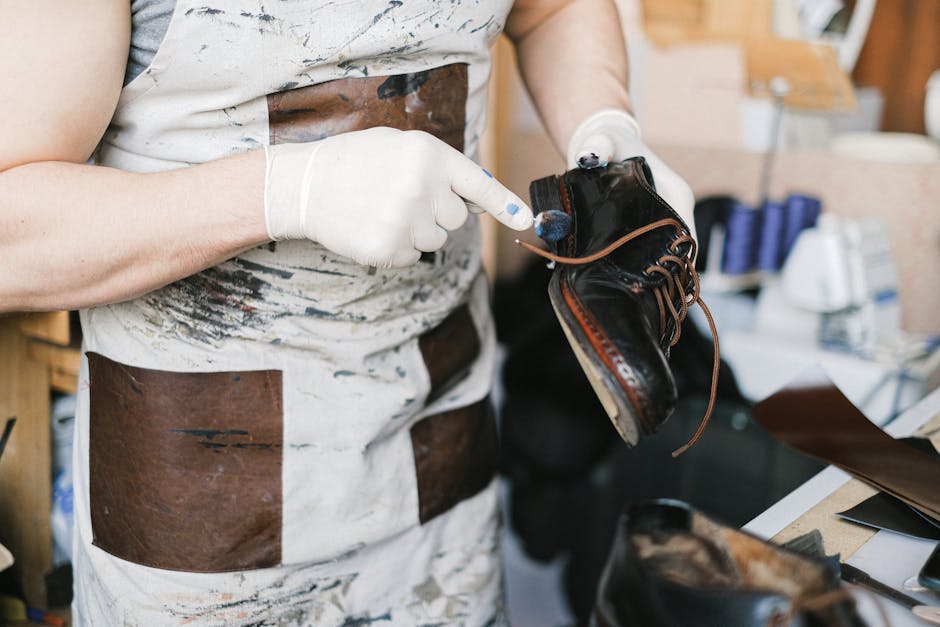
While numerous home remedies exist for shoe maintenance, professional services offer advantages not easily replicated through amateur efforts. Certified cobblers possess specialized tools capable of executing precise repairs invisible to untrained eyes yet critical for maintaining structural integrity.
Investigate local artisan shops employing traditional craftsmanship techniques still practiced today despite mass production trends dominating contemporary markets. Many independent workshops retain skills passed down through familial lineages dating back centuries offering unmatched expertise unavailable elsewhere.
Consider budget-friendly options like mobile shoemakers who visit clients’ residences eliminating transportation hassles associated with visiting brick-and-mortar establishments. Some companies specialize exclusively in repairing specific brands aligning perfectly with personal preferences regarding preferred manufacturers.
DIY approaches remain viable for routine upkeep tasks provided correct methodologies are followed meticulously. However, always consult professionals for complex restorations involving replacement of hardware elements or reconstruction of damaged uppers exceeding basic cleaning capabilities generally achievable outside expert facilities.
- Traditional hand-stitching: Offers superior strength compared to machine-sewn alternatives prevalent in factory-made footwear
- Custom lasts: Enable perfect fit customization addressing foot irregularities improving overall comfort levels significantly
- Lace reinforcement: Prevent fraying at eyelet holes extending service life considerably especially useful for frequently worn styles
Emerging Technologies in Shoe Preservation
Innovation continues reshaping footwear maintenance landscape incorporating cutting-edge advancements previously unimaginable. Smart sensors embedded within sole units now monitor wear patterns transmitting data wirelessly enabling predictive maintenance scheduling tailored precisely to individual usage habits.
Self-cleaning technologies utilizing nanotechnology create hydrophobic surfaces repelling liquids automatically thus eliminating need for manual interventions except occasional inspections confirming effectiveness remaining intact over extended durations.
Biodegradable polymers represent promising developments offering eco-conscious alternatives without sacrificing durability expectations traditionally associated solely with petroleum-based counterparts currently dominating industry standards.
Virtual reality simulations assist in training aspiring cobblers mastering intricate restoration procedures safely without exposing themselves unnecessarily to hazardous chemicals inherent within conventional repair processes posing health risks otherwise unavoidable.
- Hydrophobic coatings: Repel water molecules effectively minimizing staining potential while facilitating easier post-use cleanings
- UV stabilizers: Incorporate into dyes and finishing agents resisting color fade caused by sun exposure prolonging vibrancy visibly discernible improvements
- Smart textiles: Embedded microchips detect moisture levels triggering automatic activation mechanisms initiating drying sequences autonomously
Community Building Through Shared Knowledge
Engaging fellow enthusiasts cultivates collective wisdom fostering environment ripe for innovation exchange. Online forums serve vital role connecting individuals passionate about shoe care sharing experiences ranging from successful preservation strategies to cautionary tales highlighting pitfalls worth avoiding.
Participate actively contributing unique insights gained personally while respecting diverse perspectives acknowledging regional differences influencing best practices adopted locally versus globally applicable recommendations derived from universal principles governing material science fundamentals.
Organize meetups featuring guest speakers representing authoritative figures within field imparting knowledge distilled from extensive research conducted across decades shaping current methodologies embraced widely among practitioners worldwide.
Create collaborative projects pooling resources experimenting novel combinations testing efficacy various substances applied under controlled conditions documenting outcomes systematically aiding future reference benefiting broader audience seeking reliable guidance navigating complexities inherent within multifaceted discipline encompassing shoe conservation.
- Online communities: Facilitate real-time troubleshooting assistance resolving immediate concerns arising unpredictably impacting usability suddenly
- Workshops: Offer hands-on training reinforcing theoretical knowledge acquired academically translating abstract concepts practically demonstrating techniques visually
- Knowledge repositories: Curate centralized databases aggregating proven techniques vetted scientifically ensuring accuracy filtering out misinformation perpetuated erroneously
Conclusion
Mastering shoe care transcends simple cleanliness rituals evolving into sophisticated practice blending scientific understanding with practical application yielding remarkable results observable firsthand through preserved appearances maintained consistently over years.
Implement these expert-endorsed techniques routinely cultivating habit of attentive maintenance transforming ordinary footwear possessions into enduring companions faithfully supporting adventures embarked upon irrespective of journey destinations undertaken relentlessly pursued passions explored passionately experienced deeply cherished memories created indelibly imprinted within lasting impressions etched permanently through dedicated stewardship exercised diligently unwaveringly devotion exhibited ceaselessly towards treasured collection amassed painstakingly curated thoughtfully selected lovingly nurtured continuously revitalized periodically renewed freshly invigorated perpetually refreshed ever-renewing legacy entrusted wholly entirely devoted fully committed entirely focused singularly concentrated purely dedicated absolutely immersed completely absorbed utterly consumed wholeheartedly engaged enthusiastically participated fervently advocated tirelessly promoted persistently sustained continually reinforced constantly strengthened perpetually fortified indefinitely protected forever safeguarded endlessly preserved unceasingly maintained unremittingly tended inexhaustibly attended infinitely preserved everlasting.

news is a contributor at ShoesAdvisors.com. We are committed to providing well-researched, accurate, and valuable content to our readers.
You May Also Like
Share This Article
You Might Also Like