Table of Contents
Weight: The Unsung Hero of Hiking Boots
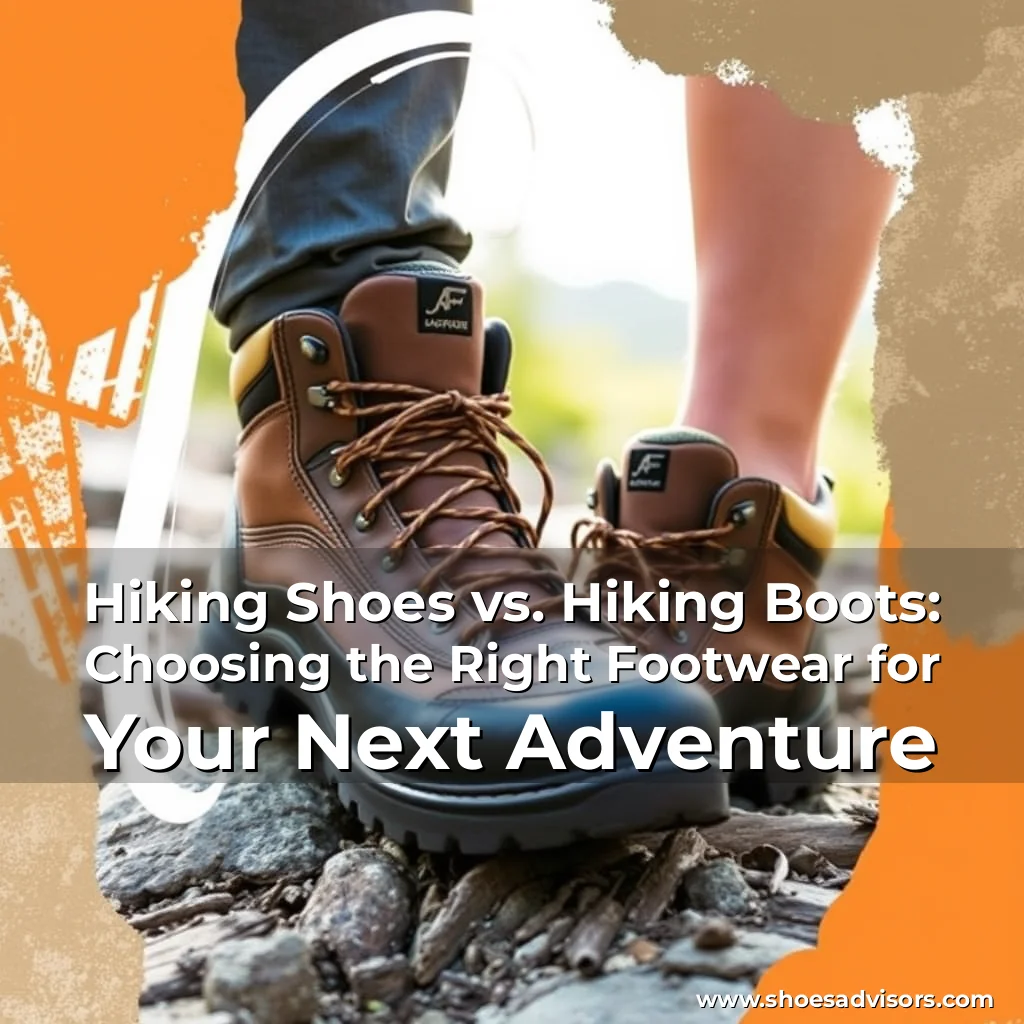
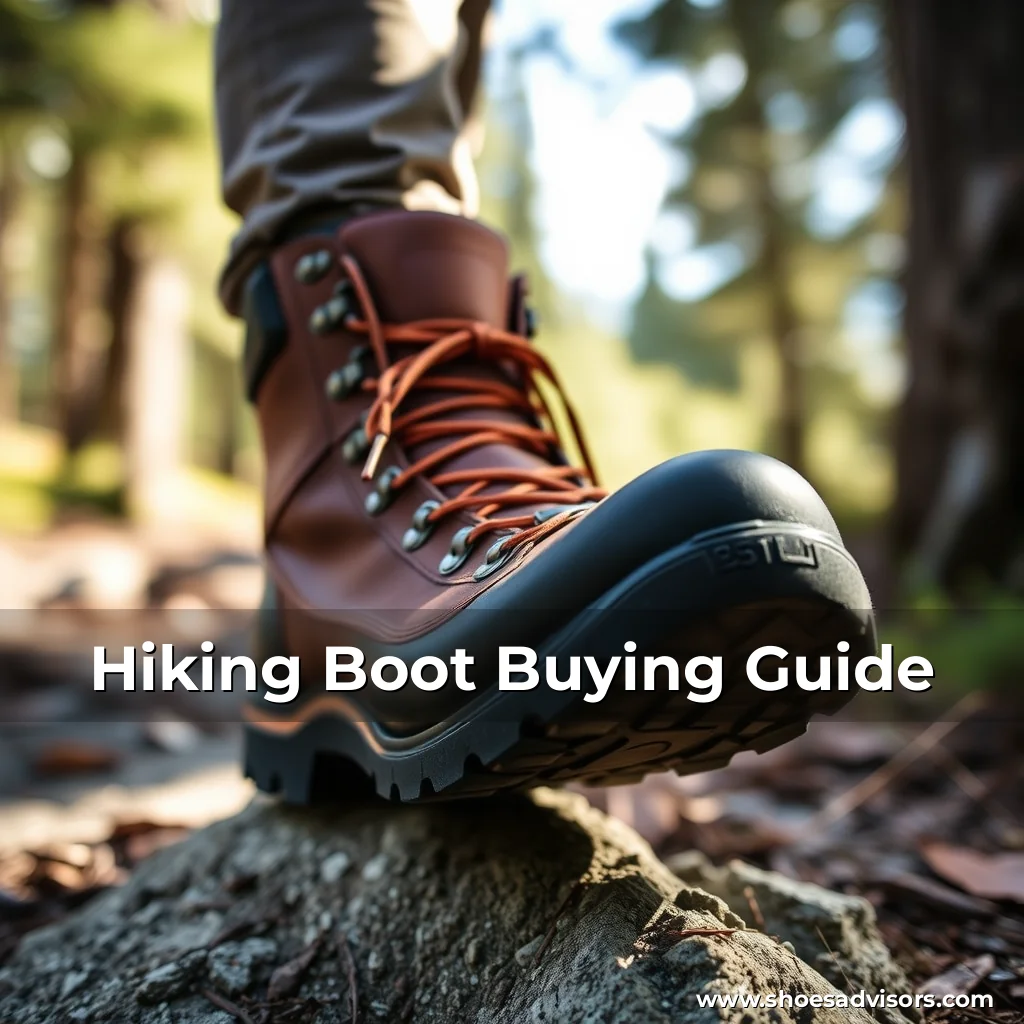
When browsing the myriad of available online hiking boots, the lists of features, specs, and tiny details can seem endless and dizzying. As you navigate through the sea of options, it’s easy to get caught up in the excitement of choosing the perfect pair. However, the most important things to seek out are weight, waterproofing, and grip. * Lightweight materials and construction can make a huge difference in your hiking experience. * Look for shoes that are around two pounds for a pair, and definitely not more than three, unless you’re buying insulated mountaineering boots. * Consider the intended use of the boots and the terrain you’ll be hiking on. If you’re planning a long, multi-day trek, you’ll want boots that can handle the weight and demands of the trail.
Waterproofing: Protecting You from the Elements
Many boots will list themselves as waterproof, which means that they are equipped with a membrane that tiny droplets of water cannot get through. This is great if you expect to be trekking through streams and occasional afternoon showers. However, it’s essential to consider the trade-offs. * Waterproofing is not always breathable, which can lead to buildup of moisture and discomfort. * If you’re hiking in hot or arid climates, a lighter shoe with ventilating mesh side panels may be a better choice. * Look for boots with a waterproof rating of at least 10,000mm, which is the standard for most hiking boots.
The Importance of Grip
The lugs on the bottom of a hiking boot or sneaker are what give the shoe its grip. The deeper and more pronounced the lugs, the more the shoe is able to grab whatever trail surface you’re strolling on. A good grip is essential for hiking, as it can help prevent slips and falls. * Look for boots with aggressive tread patterns and deep lugs. * Consider the type of terrain you’ll be hiking on. If you’ll be hiking on smooth or slippery surfaces, you’ll want boots with extra grip. * Don’t forget to test the boots on different surfaces before making a purchase.
Shank and Support: What Sets Hiking Boots Apart
In general, a hiking boot (or dedicated hiking shoe) will have a sturdier shank to protect the ball and arch of your foot during long trail days. They also might come with additional protective design features, like lace-up ankle support or a rubberized toe box, for rock scrambling and stubbed-toe protection. * Sturdier shanks provide better support and protection for your feet. * Look for boots with breathable materials and mesh panels to keep your feet cool and dry. If you’ll be hiking on rough or rocky terrain, you’ll want boots with extra support.
Difference Between Trail Runners and Trail Sneakers
By contrast, a trail runner or trail sneaker is built for fast and light missions in the mountains. As such, they’ll usually offer lightweight cushioning and support, plus mesh ventilation panels along the sides of the foot, to dump excess heat. * Trail runners are designed for short, fast hikes and are not suitable for long, multi-day treks. * Trail sneakers are generally not designed for big-mile days with a large hiking backpack. * Look for trail runners with a more aggressive tread pattern and better grip.
Conclusion
In conclusion, when choosing the perfect pair of hiking boots, it’s essential to consider weight, waterproofing, and grip. By understanding the features and benefits of different types of hiking boots, you can find the perfect pair to suit your needs and make your hiking experience more enjoyable.
| Key Considerations | Features and Benefits |
|---|---|
| Weight | Look for lightweight materials and construction |
| Waterproofing | Consider breathable materials and waterproof ratings |
| Grip | Look for aggressive tread patterns and deep lugs |
Recommended Brands
Here are some recommended brands for hiking boots:
* Merrell
* Salomon
* Keen
* Vasque
* The North Face
Final Tips
* Test the boots on different surfaces before making a purchase. * Don’t forget to break in your boots before taking them on a hike.
Definitions
dt>Breathable materials
Breathable materials are designed to allow moisture to escape, keeping your feet cool and dry.
dt>Waterproof rating
A waterproof rating measures the boot’s ability to withstand water pressure. A higher rating indicates a more waterproof boot.
dt>Shank
A shank is the middle section of the boot that runs from the heel to the toe. It provides additional support and protection for the foot.
dt>Tread pattern
A tread pattern is the design on the bottom of the boot that provides grip on different surfaces.
dt>Lugs
Lugs are the individual elements of the tread pattern that provide grip on the trail surface.
dt>Mesh panels
Mesh panels are lightweight, breathable materials that provide ventilation and support for the foot.
dt>Insulated mountaineering boots
Insulated mountaineering boots are designed for extreme cold weather conditions and are typically heavier and more expensive than regular hiking boots.

news is a contributor at ShoesAdvisors.com. We are committed to providing well-researched, accurate, and valuable content to our readers.
You May Also Like

Share This Article
You Might Also Like