Table of Contents
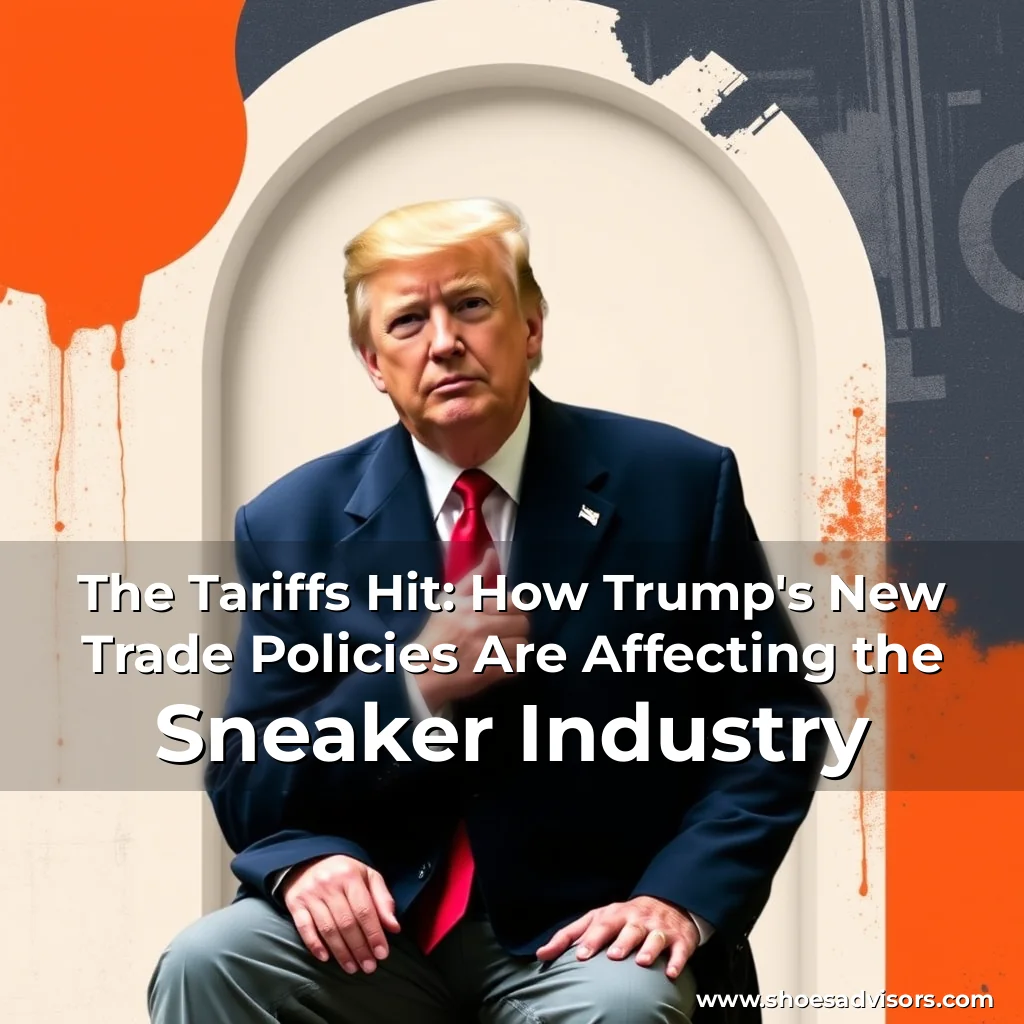
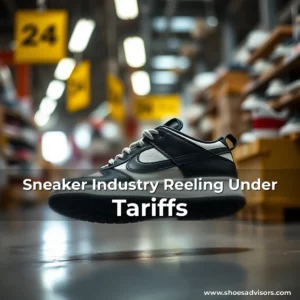
The sneaker industry is a $70 billion-a-year enterprise, with the majority of sneakers being manufactured outside of the United States. However, with the recent tariffs imposed by the Trump administration, the industry is facing significant challenges. The tariffs have a ripple effect on the global economy, putting the future of many small sneaker companies in jeopardy. According to economist Peter Schiff, the tariffs will cost Oregon-based Nike more to build production plants in the United States than it would to pay the tariffs. This will result in fewer sneakers sold in the U.S. at much higher prices. The American public’s “pain threshold” is being tested by the impact of the tariffs, with many small-business owners like Devlin Carter struggling to absorb the increased costs. Carter’s luxury sneaker company, SIA Collective, has seen a significant increase in costs due to the tariffs, with most of his shoes being manufactured in China.
“These are ridiculous tariffs that make no sense,” Carter said. “Small businesses like mine have to pay these tariffs, and it’s not a small thing. It’s a lot. So there’s no way to see this as something that’s good — for anybody.”
Carter’s shoes are made for around $220 a pair, but with the tariffs, the cost is now around $150 or more to make. This increase in costs is affecting the entire supply chain, with small-business owners passing on the increased costs to customers.
- The tariffs have a significant impact on small-business owners, like Carter, who rely heavily on shipments from countries like China.
- The tariffs will lead to a decrease in sneaker sales, as consumers become less willing to pay higher prices.
- The ripple effect of the tariffs will be felt across the global economy, affecting not just the sneaker industry but also other industries that rely on imported goods.
The impact of the tariffs is not limited to the sneaker industry. Sneaker resellers are also taking a hit, as the cost of purchasing shoes at higher rates and then selling them for a profit is becoming increasingly difficult. “Think about it: As a reseller, you have to buy a $150 shoe at a higher rate than it’s worth. And then you have to sell it even higher to make money,” West said. The cost of purchasing shoes from countries like the United Kingdom, Germany, and Hong Kong is also increasing due to the tariffs, making it more difficult for consumers to buy shoes from abroad.

news is a contributor at ShoesAdvisors.com. We are committed to providing well-researched, accurate, and valuable content to our readers.
You May Also Like
Share This Article
You Might Also Like