Table of Contents
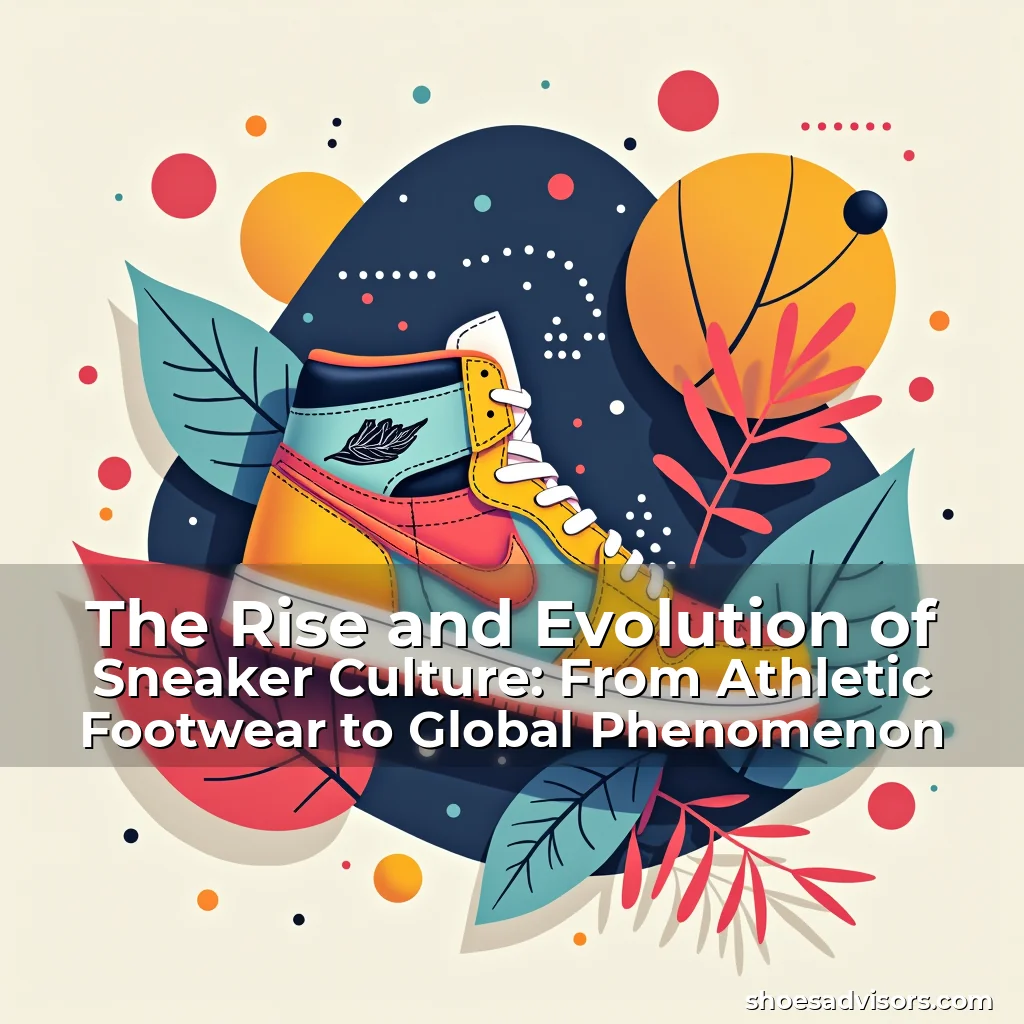
The Rise and Evolution of Sneaker Culture: From Athletic Footwear to Global Phenomenon
Sneaker culture has grown from humble beginnings as functional athletic footwear to a multi-billion-dollar global phenomenon that influences fashion, music, art, and even social movements. What began as simple rubber-soled shoes designed for sports performance now serves as a powerful symbol of identity, status, and self-expression across diverse communities worldwide.
This transformation reflects broader societal shifts in how people engage with consumer goods, technology, and digital platforms. Today’s sneaker enthusiasts are not merely collectors; they’re cultural commentators who navigate an ever-evolving landscape where exclusivity, design innovation, and brand storytelling converge.
The Origins of Modern Sneaker Culture
In the early 20th century, sneakers were primarily utilitarian items developed for athletes needing lightweight, flexible footwear. Companies like Keds introduced canvas uppers paired with rubber soles, creating affordable options that became popular among young people seeking comfort over formality.
By the mid-century, brands such as Converse revolutionized the market by embracing street style through their iconic Chuck Taylor All-Star models. These sneakers transitioned from gym floors to skate parks, becoming symbols of youth rebellion against traditional dress codes.
- Technological Advancements: Innovations in materials science led to air cushioning systems pioneered by Nike in the late 1970s, fundamentally changing both performance metrics and aesthetic appeal.
- Cultural Integration: Hip-hop artists incorporated sneakers into their visual identities during the 1980s, transforming them into wearable expressions of personal taste and group affiliation.
Sneakers as Status Symbols and Collectibles
The shift toward viewing sneakers as luxury items accelerated in the 1990s when limited edition releases created artificial scarcity. Brands strategically reduced production numbers while increasing demand through strategic marketing campaigns featuring influential figures in music and sports.
This strategy transformed sneaker buying into a competitive pursuit akin to collecting rare artifacts. The value proposition extended beyond utility, encompassing elements of investment potential and social capital within niche communities.
The Economics of Limited Edition Releases
According to industry reports, some sneaker models have appreciated in value by over 600% since initial release. For example, the Air Jordan 1 OG sold out instantly upon launch in 1985 but is now valued at thousands of dollars on secondary markets.
This economic model relies heavily on supply chain management techniques that ensure products remain scarce yet desirable. Brands carefully control distribution channels, often partnering with select retailers to maintain exclusive access.
The Digital Revolution in Sneaker Culture
The internet has dramatically reshaped how consumers discover, purchase, and interact with sneakers. Online marketplaces and virtual try-on technologies allow buyers to explore collections remotely before making purchases.
Social media platforms have become essential tools for trendsetting, enabling real-time engagement between brands and fans. Instagram influencers and YouTube unboxers play crucial roles in shaping public perception and driving demand for new releases.
Global Influences Shaping Contemporary Trends
Diverse regional preferences influence modern sneaker designs, leading to localized adaptations of global styles. Japanese designers emphasize minimalism and functionality, while European markets prioritize heritage-inspired aesthetics rooted in classic silhouettes.
African and South American creatives contribute vibrant color palettes and intricate patterns that challenge conventional notions of what constitutes’mainstream’ sneaker design language today.
Ethical Considerations in the Industry
The rapid growth of sneaker culture has raised concerns about environmental sustainability and labor practices. Many manufacturers use synthetic materials that contribute significantly to microplastic pollution when discarded improperly.
Some forward-thinking companies have begun incorporating recycled materials into their product lines, demonstrating commitment to reducing carbon footprints without compromising quality standards expected by discerning customers.
Fashion Collaborations Redefining Brand Identity
Premium collaborations between established shoe brands and high-fashion houses have blurred boundaries between casual wear and haute couture. Partnerships like Adidas x Gucci or Nike x Off-White exemplify this convergence, attracting attention from fashion weeks and magazine covers alike.
These alliances create buzz around new launches, often resulting in astronomical resale prices due to increased desirability among both fashion-conscious individuals and investors looking for alternative assets.
Tech Innovations Driving New Experiences
Advances in smart textile technology enable sneakers equipped with sensors capable of tracking health metrics such as distance traveled, calories burned, and heart rate variations. This integration appeals particularly to fitness enthusiasts monitoring progress toward wellness goals.
Virtual reality experiences now offer immersive environments where users can customize digital versions of physical sneakers using augmented reality features available via smartphone applications or dedicated VR headsets.
Community Building Through Shared Passion
Sneaker subcultures thrive online and offline through meetups, pop-up events, and fan forums dedicated exclusively to discussing latest drops and vintage finds. These gatherings foster connections based on mutual interests rather than superficial traits.
Online communities leverage blockchain technology to verify authenticity of rare pairs, ensuring transparency regarding provenance which helps prevent counterfeit sales that undermine trust in the marketplace ecosystem.
The Future Landscape of Sneaker Culture
As we move further into the 21st century, predictions suggest continued diversification of styles catering to increasingly segmented audiences. Expect greater emphasis placed on customization options allowing individual expression through bespoke modifications.
Innovation will likely extend beyond aesthetics towards enhancing user experience through improved ergonomics and adaptive fit mechanisms responding dynamically to wearer movement patterns for optimal support during various activities.
With climate change awareness growing globally, sustainable sourcing initiatives may become standard practice rather than optional extras offered only occasionally by pioneering firms attempting to lead positive change within their industries.
Emerging economies present untapped opportunities for expansion efforts focused less on replicating Western trends and more on developing locally relevant solutions addressing specific needs within those regions effectively.
Conclusion
Sneaker culture embodies much more than mere footwear consumption; it represents evolving attitudes toward material possessions, technological advancement, artistic collaboration, and communal belonging.
To fully appreciate its significance requires understanding not just the products themselves but also the stories behind each pair – narratives woven together by creators, wearers, and observers contributing collectively to this dynamic cultural tapestry.

news is a contributor at ShoesAdvisors.com. We are committed to providing well-researched, accurate, and valuable content to our readers.
You May Also Like

Share This Article
You Might Also Like